By Off Path Now · Updated
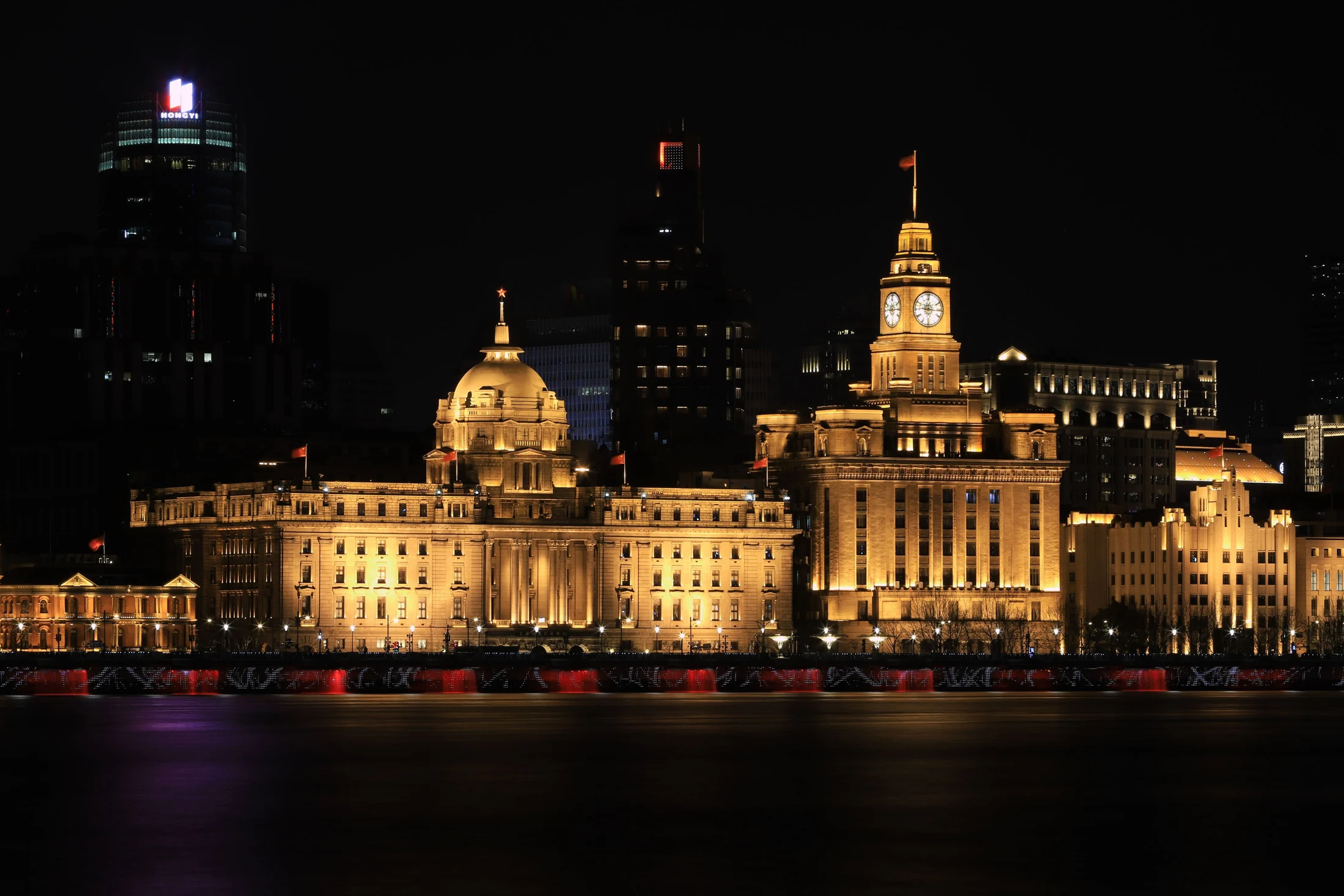
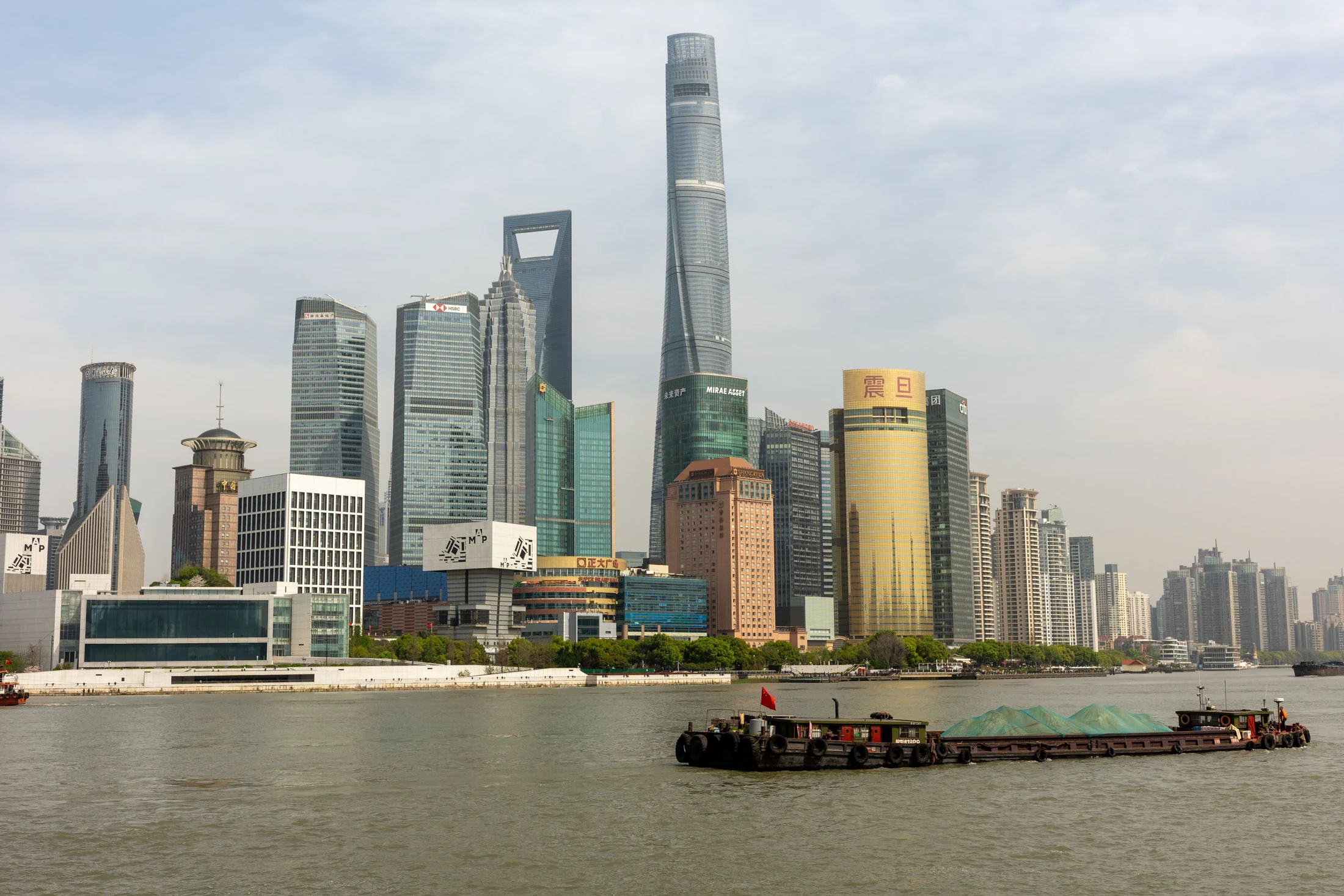
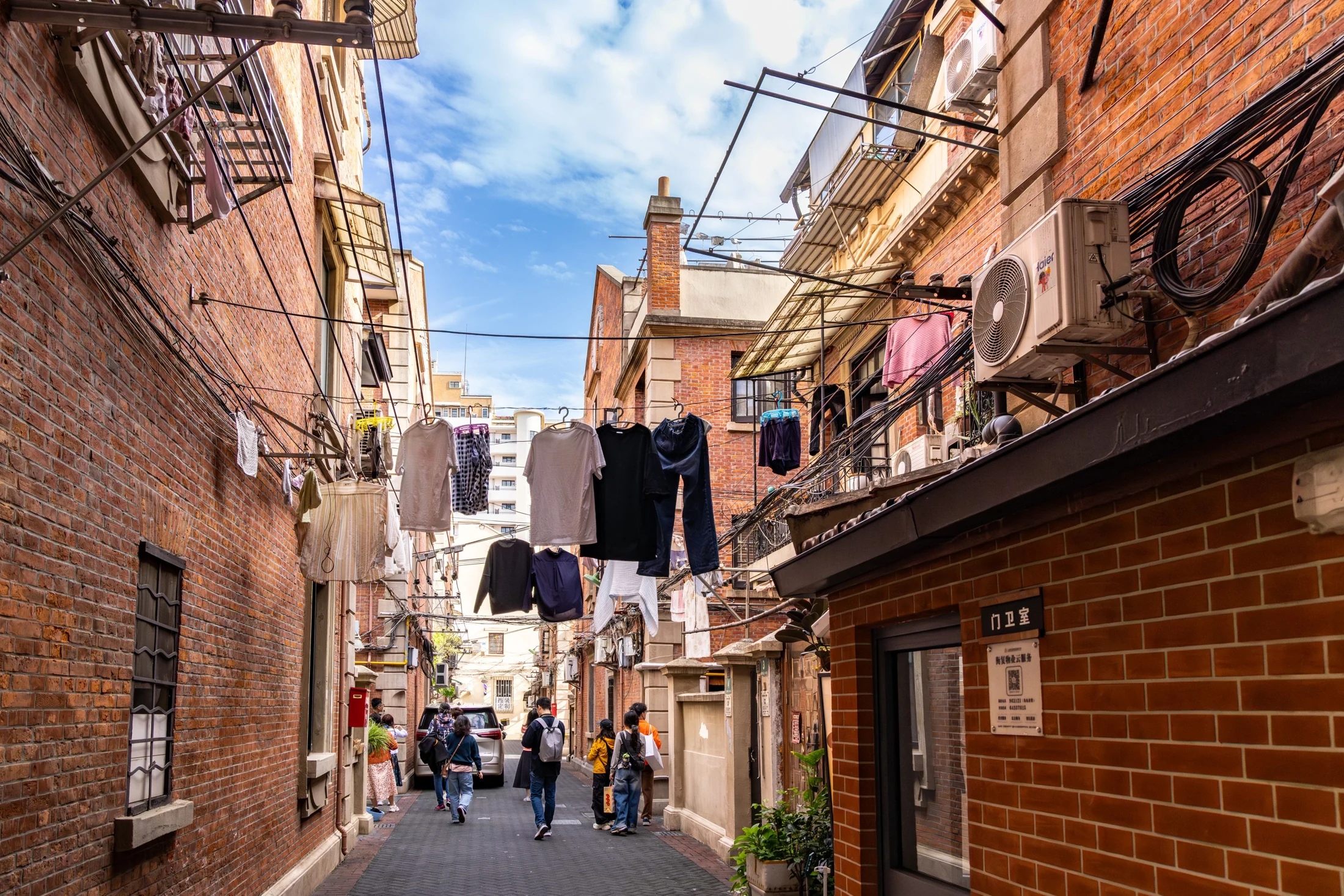
At night, the Bund becomes a line of lit stone: a dome, a clock tower, windows repeated above the water. Across the Huangpu, Lujiazui rises in glass and sharp silhouettes. Both views belong to Shanghai, but neither tells the whole story. A laundry line stretched between brick houses, or the rhythm of balconies on Wukang Road, brings the city back within reach.
On China’s east coast, Shanghai offers a particular kind of holiday: urban, visually rich and open to changing pace. Its landmarks give a journey structure; its neighbourhoods give you reasons to linger. For travellers drawn to architecture, design and everyday life, the most interesting itinerary often alternates between those two scales.
Begin with the river
The Bund’s historic buildings face Lujiazui across the Huangpu. Look at the riverfront as a conversation between different periods of the city, rather than a single skyline to collect. Domes, columns and a clock face hold one bank; tall towers mark the other. A change of light alters the relationship without changing your viewpoint.
The older waterfront also carries the history of Shanghai’s international trade and foreign concessions. Its European-influenced architecture belongs to that complicated local history. Read the façades as part of Shanghai’s story, then leave time to see how the city continues beyond them.
Let the streets change the scale
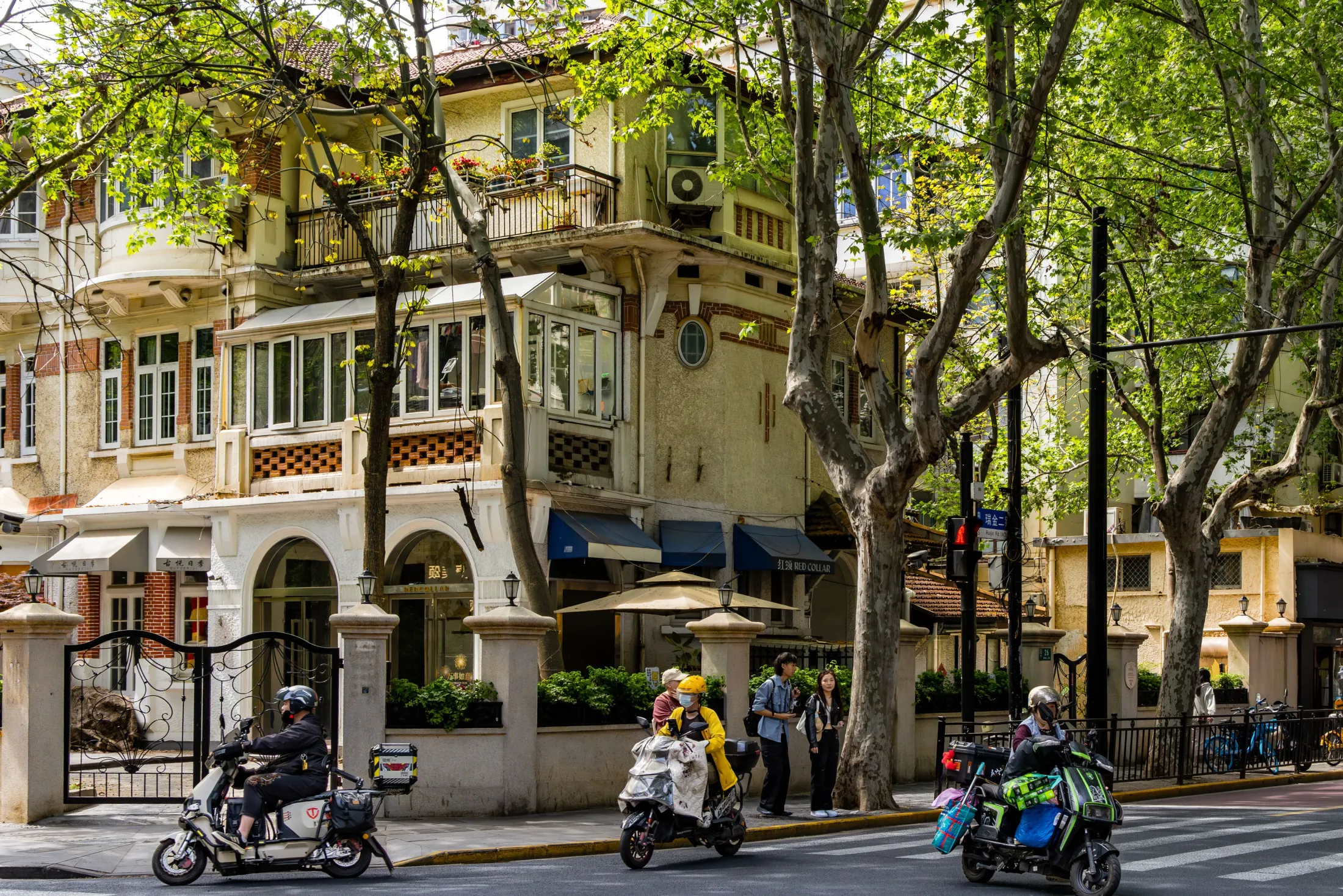
Around Wukang Road and Anfu Road, in Xuhui’s Hengfu historic area, attention shifts from the skyline to windows, entranceways and the space beneath the trees. Wukang Mansion is a useful architectural anchor. Its brick façade and repeated balconies invite a slower look than the quick photograph taken at a crossing.
Build a walk around a few streets you genuinely want to see, with a café or a small shop as a pause rather than another appointment. The appeal is the continuity between architecture and a working neighbourhood. These are places where people live: a good route stays on public streets and treats doorways and private courtyards with care.
Look at the lanes, too
Shanghai’s longtang, or lanes, offer another scale again. In the photograph here, laundry hangs above a narrow passage between brick buildings, while people walk away towards the light. It is a view of daily use, not a preserved stage set.
Shikumen is a distinctive Shanghai housing tradition, combining features of Jiangnan residences with Western influences. Longtang describes the lanes and the life within them. Look at the thresholds, the shared passage and the small adaptations to limited space. These details make a neighbourhood worth noticing while its homes remain private.
Find the old city beside the modern one
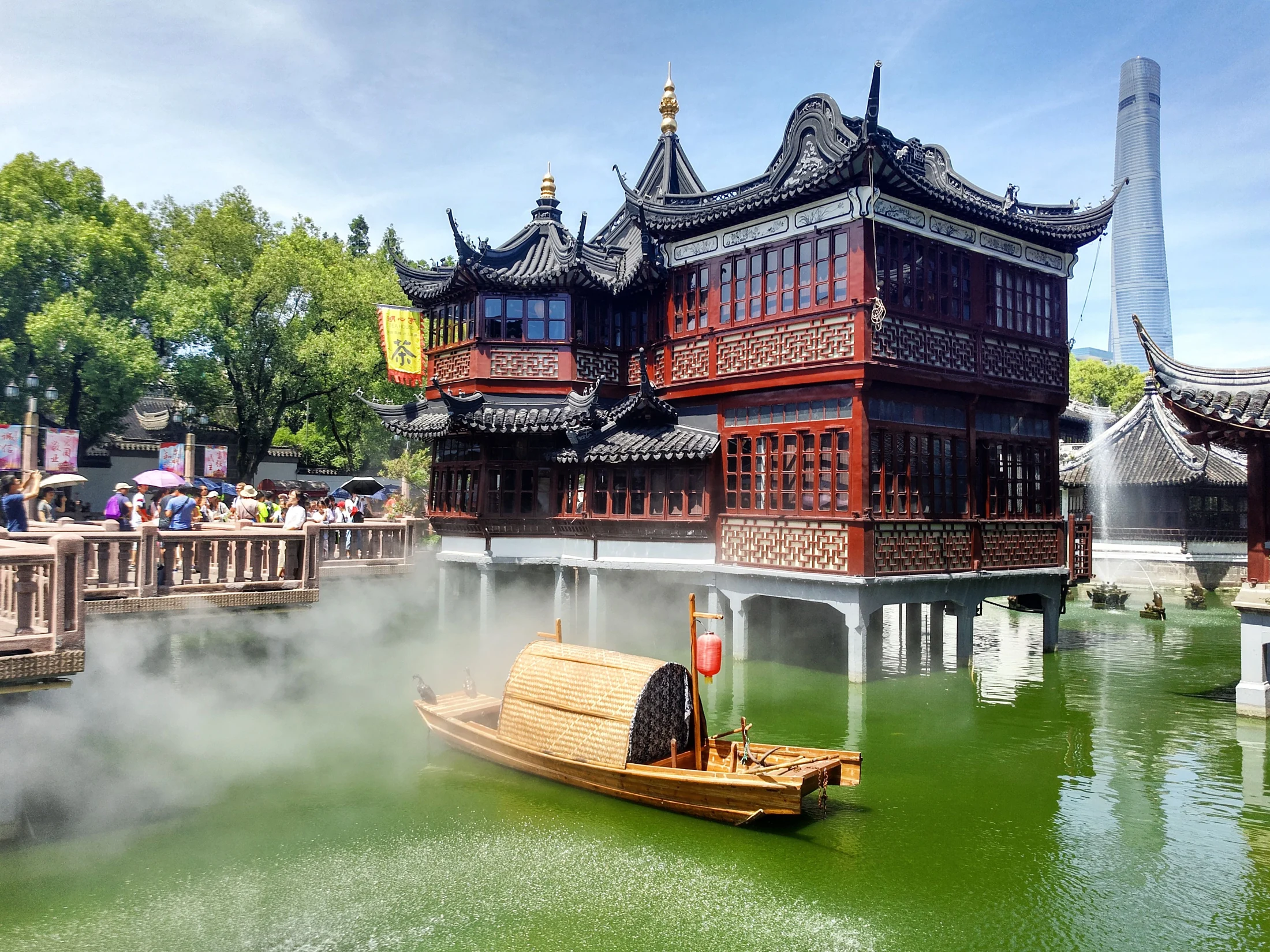
The Yuyuan area brings upturned roofs, water and denser pedestrian streets into the same holiday. The Huxinting Teahouse pictured here stands in the pond outside Yuyuan Garden, beside the zigzag bridge. Its setting is distinct from the garden’s interior; visiting the surrounding bazaar does not replace a visit to the garden itself.
Yuyuan began as a private garden in the Ming dynasty. A visit can shift attention towards pavilions, rocks and carefully framed views after the wider riverfront. Choose what interests you, and leave room between stops. This popular part of Shanghai can be busy; its cultural detail does not depend on finding it empty.
Shape a holiday with room to breathe
Shanghai works especially well for a city break that gives architecture, neighbourhood walks and cultural visits equal weight. Couples might prefer a late start and an evening river view; travellers interested in design may give more time to a district, a museum or a gallery. Choose exhibitions against your dates, with opening arrangements checked before the plan is fixed.
Food gives the day another anchor. Xiaolongbao soup dumplings and pan-fried shengjian buns are two Shanghai favourites; noodles and home-style dishes offer other ways to explore the city’s cooking. Choose a meal around your interests and dietary needs, with time to sit rather than turning every table into another stop.
As an editorial starting point, three or four nights leave room for the waterfront, an Xuhui walk and the old city without making every day a race. Our 16-day China route includes a compact two-night stay, with selected visits fitted around arrival and departure. Transfers between districts, arrival times and walking preferences shape what fits.
Spring and autumn are often comfortable for time outdoors. Summer can be hot and humid, with rainy spells; winter calls for a different balance of indoor visits and shorter walks. Rather than promise perfect weather, plan a day that can change with it.
The reward is a city experienced through more than its outline: a lit riverbank, a brick balcony, a passage beneath hanging clothes. Shanghai becomes a place to spend time, not simply the final photograph of a China journey.
A few questions
What kind of holiday suits Shanghai?
An urban stay centred on architecture, neighbourhood walks, food and cultural visits. Match districts and walking distances to your interests, rather than treating the whole city as a single walk.
How many nights should I allow?
Three or four nights are our editorial suggestion for a more relaxed introduction. Our 16-day China itinerary currently includes two nights, with a more compact programme.
Continue through China
See how Shanghai fits into our 16-day China journey, or tell us what you would like to explore.
Sources & photography
Facts checked on 15 October 2026. Suggested lengths of stay are editorial guidance, not a fixed package. Opening arrangements and individual visits are confirmed for your dates.
Shanghai · The Bund · Wukang Road–Anfu Road · Shanghai · Shikumen · Yuyuan Garden · Huxinting · Shanghai · Four seasons
Photography: city views and details of everyday Shanghai, by the photographers credited below.
JC Terry / Pexels · yu wang / Pexels · Yudi Ding / Pexels · Yudi Ding / Pexels · Maria / Pexels · Pexels License