By Off Path Now · Updated

A landscape of carved stone
East of Chengdu, Anyue County belongs to Ziyang in Sichuan. Its rock carvings are spread across many sites in the county, often in a landscape of hills and villages. A visit takes you between places, with the roads and surroundings becoming part of the experience.
The carvings developed through the Tang dynasty and flourished in the Song. Anyue is an important part of the story of Buddhist rock-carving traditions in Sichuan and neighbouring Chongqing. This historical context helps connect an individual face or gesture to a much wider artistic world.
Begin with Guanyin
Guanyin, known in Sanskrit as Avalokiteshvara, is a bodhisattva associated with compassion. The familiar name covers many forms and poses in Chinese Buddhist art. At Anyue, a visit can begin simply by observing how the sculptor has made a figure feel present: the angle of the head, the position of a hand and the fall of a robe.
One of the best-known works is the Purple Bamboo Guanyin at Pilu Cave. It is a Water-Moon Guanyin represented in a relaxed seated pose. Look at the balance of the limbs and the elaborate dress; the figure’s quiet expression gives as much to contemplate as its ornament.
Our on-site photographs bring seated and standing Guanyin figures into the same story. Compare the different postures and the way each robe follows the body. Looking between them is a useful introduction to the variety of Anyue’s carvings.
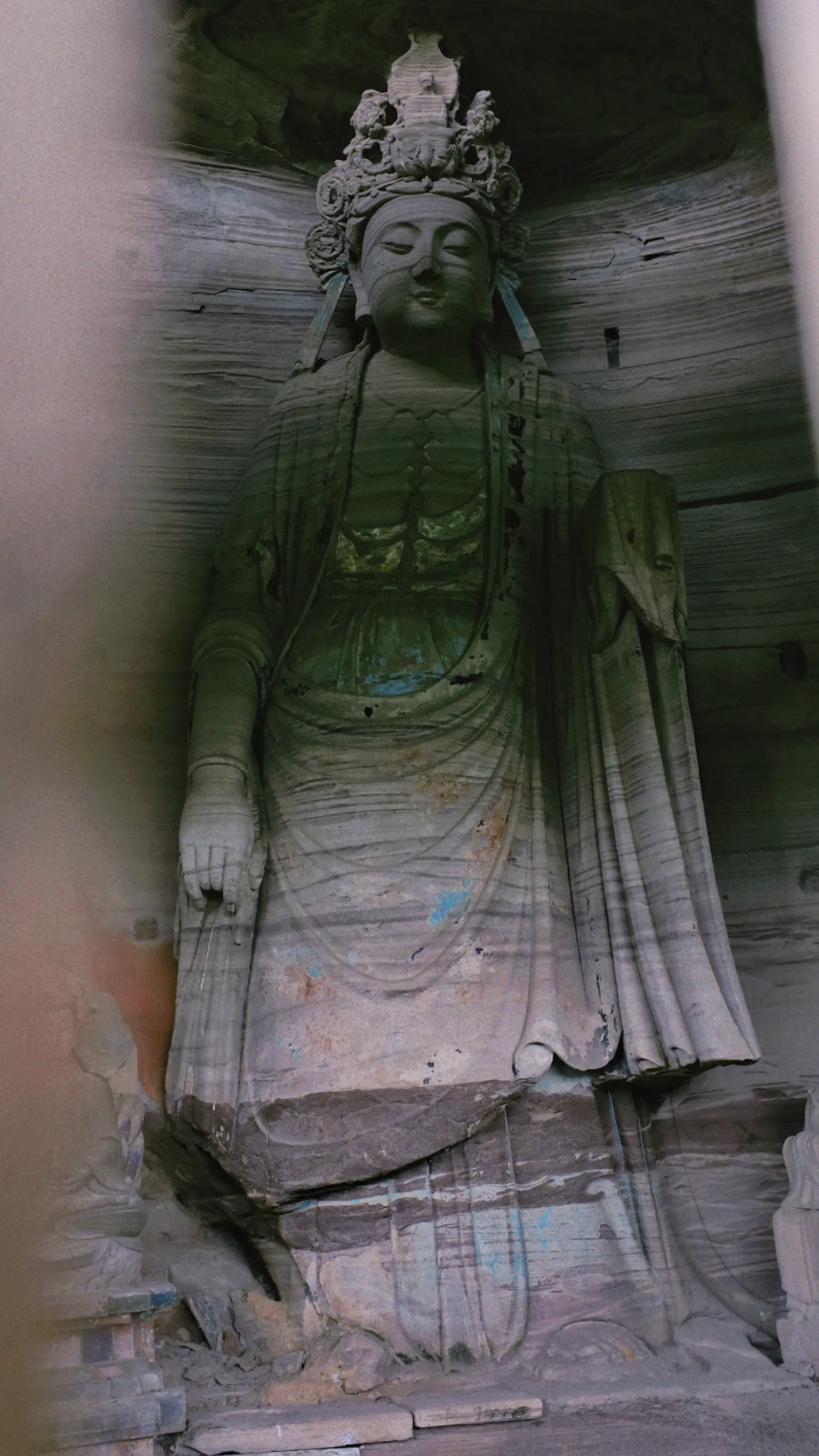
Looking from the whole to the detail
Start far enough back to understand the figure within its niche. Then notice a carved fold, jewellery, a small attendant or the relationship between the sculpture and the surrounding rock. You do not need specialist knowledge to begin; a guide can add the religious and historical context to what you already see.
Some surfaces retain traces of colour. These details help a visitor imagine a sculpture’s changing appearance, but visible pigment should not automatically be described as original Tang or Song paint. The date of carving and the history of later painting are separate questions.
Light and viewpoint change what the eye catches. Take the photograph you want, then lower the camera for a while. Looking slowly is especially rewarding here, where the small surviving details can carry much of the work’s character.
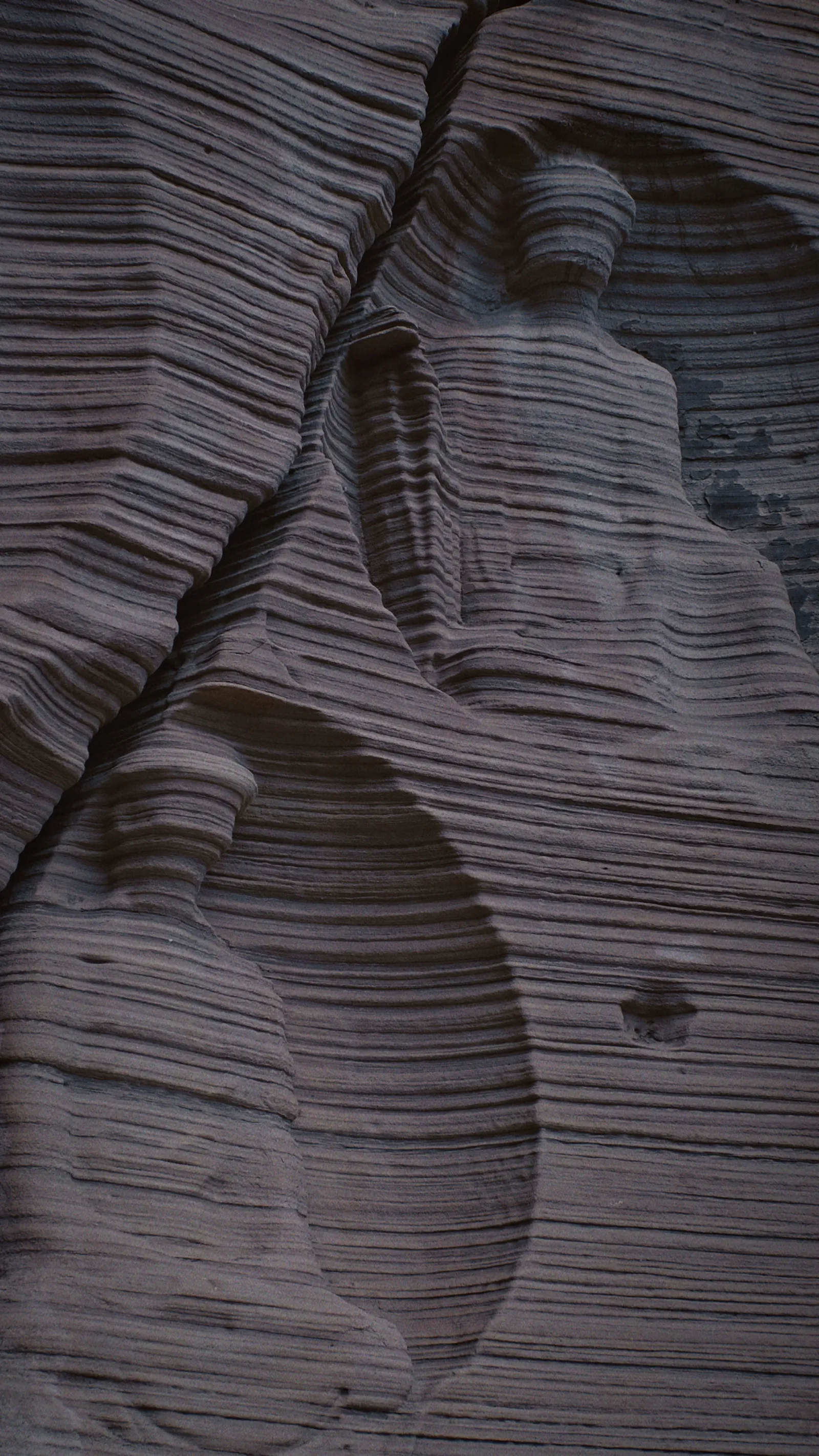
Choose sites, not just a destination name
Pilu Cave, Yuanjue Cave, Huayan Cave and Mingshan Temple are among the names associated with Anyue’s carvings. They are separate sites, with different settings and journeys between them. An itinerary needs to name the places you will visit and leave enough time to see them properly.
Anyue suits travellers interested in sculpture, religious art, photography or a cultural journey beyond the better-known mountain routes. It is not included in our standard three-, five- or seven-day starting itineraries. We can discuss a separate visit or an extended journey around your interests, allowing for the driving and the time on site.
Visit with care
These are vulnerable cultural remains, and some locations also have active religious significance. Follow site instructions, stay on permitted paths and avoid touching carvings or pigments. Ask about photography rules before using flash or equipment.
A little preparation makes the encounter richer: which figures interest you, whether you prefer a small number of sites in depth, and how comfortable you are with steps and uneven ground. Access and conservation work can affect a visit, so the final stops should be confirmed before travel.
Background reading: Xinhua · Anyue rock carvings (Chinese) · Palace Museum · Water-Moon Guanyin study (Chinese PDF)